

Human Atlas Vercel app searches can lead to two different anatomy experiences. The original ashemag/human-atlas repository documents a whole-body, selectable 3D reference explorer. Its linked demo, human-atlas-seven.vercel.app, was unavailable in our check. The separate address humanatlas.vercel.app currently offers organ-focused pages. This guide keeps those identities distinct so you can choose a useful learning route without assuming a confirmed migration.
Human Atlas links at a glance
- Original project
- ashemag/human-atlas on GitHub ↗
- Former Vercel demo
- human-atlas-seven.vercel.app ↗ — returned HTTP 503 on October 19, 2026.
- Reachable alternative
- humanatlas.vercel.app ↗ — homepage and Heart route checked; official migration not verified.
Which destination should you use?
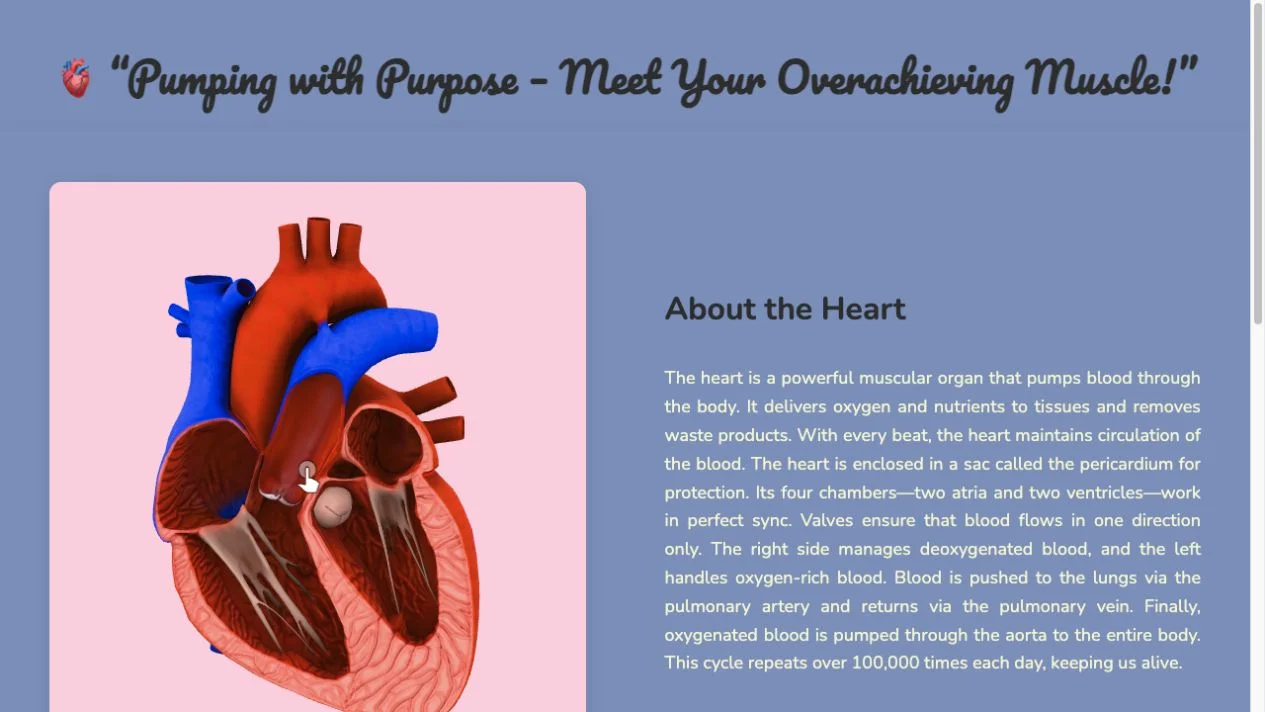
For the original project, start with the GitHub repository: it preserves the source, setup instructions and anatomy-data credits. For an immediately reachable browser alternative, inspect humanatlas.vercel.app on its own terms. We opened its homepage, followed Explore Heart and saw a heart model render beside explanatory text. That is a narrower observation than testing a complete anatomy atlas.
What the original Human Atlas offers
The repository describes 2,234 selectable BodyParts3D meshes arranged across 15 systems, alongside 3,432 searchable named concepts. Meshes and concepts are different units: a named concept can combine several pieces. Documented controls include orbit, zoom, system toggles, skeleton and organ presets, search, isolation and an exploded layout. Those are source-documented capabilities; the unavailable original demo was not tested live for this article.
Original demo status and the alternative address
The old demo URL returned HTTP 503 on October 19, 2026. That response does not identify why it stopped responding or prove permanent closure. The alternative homepage links to heart, brain, lungs, kidney, digestive, blood and skeletal pages. We verified the Heart route and model display, not every organ, device or interaction. The repository still links the old demo; no official redirect or transfer to the alternative was established.
Use a reference model as a learning aid
A 3D view can help connect a name with a location or compare the shape of neighboring structures. Decide whether you need whole-body context or a short organ introduction before choosing a destination. The original uses an adult male reference, not an exhaustive model of every person or anatomical variation. Its own documentation limits the project to education, not diagnosis or surgical planning.
What open source changes about access
A reachable hosted demo is convenient, but the repository offers a separate way to inspect or build the original application. Its README documents local setup without API keys or an account. We did not run that local build in this review. Application code is MIT licensed; BodyParts3D data carries separate CC BY 4.0 attribution requirements. Do not treat a code license as permission to discard the data credits.
What the screenshots establish
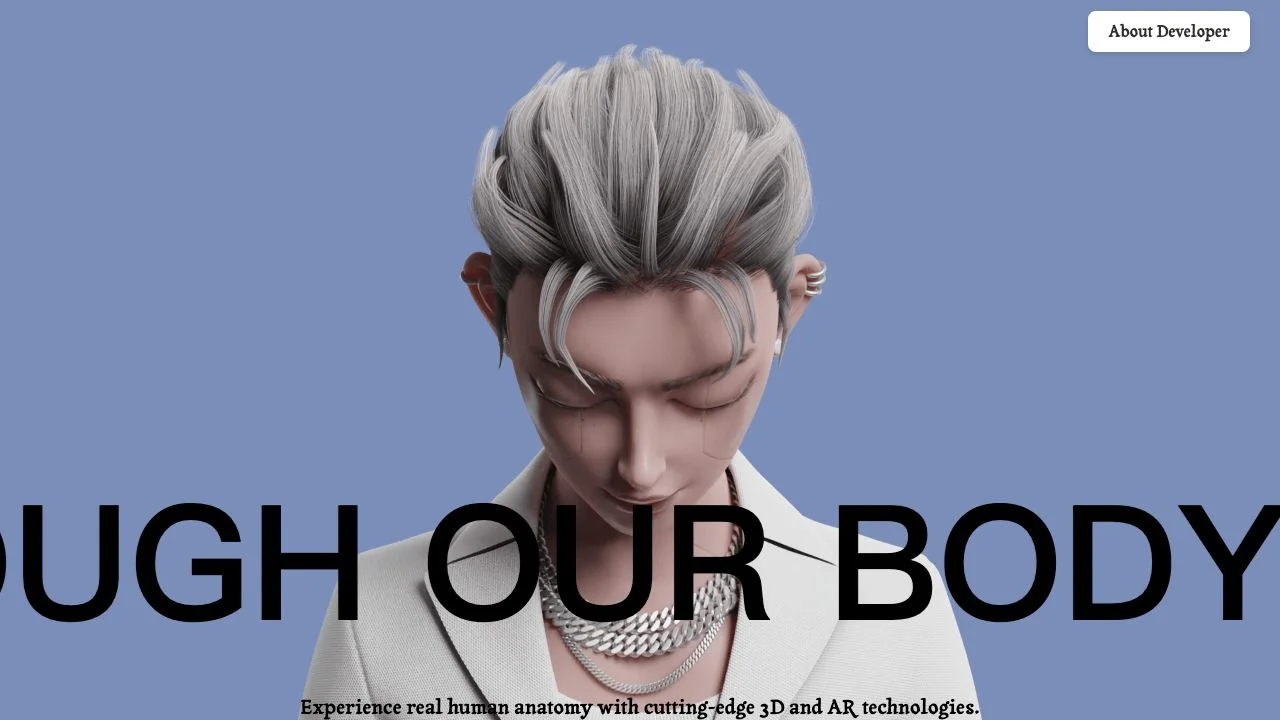
The screenshots in this guide are actual captures of humanatlas.vercel.app, not reconstructions of the unavailable original. The homepage shows the alternative’s presentation, while the Heart capture records a model after loading alongside its text. Model display in that one session does not establish AR support, clinical accuracy, full catalog coverage or performance on other devices.
Suggested next steps
- Choose the original repository for source and documented whole-body functions, or the alternative for a browser preview.
- If trying the alternative, open Explore Heart and allow its model to load.
- Compare the rendered view with the page text and your learning material.
- Keep the source and alternative URLs separate when sharing or bookmarking them.
Who this guide suits
Students, curious readers and educators comparing browser anatomy resources with inspectable open-source projects.
What to keep in mind
Use this as an educational discovery guide. Confirm the destination and scope of each viewer; only the alternative homepage and Heart route were inspected live.
Human Atlas Vercel app FAQ
Why is human-atlas-seven.vercel.app not working?
The former demo address returned HTTP 503 during our October 19, 2026 check. We did not establish the cause, shutdown date or a restoration timetable. The repository remains accessible.
Is humanatlas.vercel.app the official replacement?
It is a reachable alternative supplied for this guide. We opened its organ-oriented homepage and Heart page, where a model eventually rendered. We found no verified migration relationship with ashemag/human-atlas, so its features should be evaluated separately.
Which icon does this listing use?
The listing uses public/favicon.svg from the original ashemag/human-atlas repository, unchanged. It identifies the source project; it is not presented as the alternative website’s verified brand.
How many structures does the original repository describe?
Its README lists 2,234 selectable meshes, 15 systems and 3,432 named concepts. These figures describe the original source project, not verified coverage of the alternative website.
Can Human Atlas replace a clinical anatomy reference?
The original project describes itself as educational and not diagnostic or surgical. Its reference anatomy does not cover every human variation. This directory introduction does not validate clinical accuracy.
Are the original code and anatomy data licensed together?
No. The application code uses MIT, while the BodyParts3D data has separate CC BY 4.0 attribution requirements documented in the repository.
Sources and verification
- Original repository and README ↗
- Original data attribution ↗
- Former demo — returned 503 ↗
- Separately checked alternative ↗
Checked October 19, 2026. The original source was read, not run locally. The former demo returned 503. The alternative homepage and Heart page were inspected, with a heart model rendering after loading. AR, all-organ coverage, rotation and physical-device performance were not tested. The original repository favicon is used unchanged; no affiliation between source and alternative is implied.